How Long Does It Really Take To Record A Hit-Ready Song? The Real Timeline From First Idea To Master

How Long Does It Really Take To Record A Hit-Ready Song? The Real Timeline From First Idea To Master
Most artists have no clear idea how long it takes to record a song that’s truly hit-ready. You might think tracking vocals is quick, but pre-production, editing, mixing, and mastering all demand hours you can’t skip. If your goal is a flawless, professional sound, knowing the real recording song timeline is what helps you plan your budget and sessions smart. Stick around—I’ll break down each stage so you can book your time wisely and get results you’re proud of. For more insights, check out this discussion on how long does it take to record a song.
From Idea to Pre-Production

Taking your song from a mere concept to polished pre-production is crucial. This phase sets the foundation for everything that follows, ensuring your song's potential shines through.
Planning Your Song's Vision
Every great song starts with a vision. It's about capturing the emotion and story you want to convey. Begin by sketching out your ideas, whether it's a catchy melody or meaningful lyrics. Work on defining your song's theme and mood. This planning stage can take anywhere from a few hours to several days, depending on how clear your vision is. Remember, the more detailed your plan, the smoother the rest of the process will be. Most artists find this step invigorating, as it allows creativity to flow freely. Your vision is the map that guides the journey of your song.
Setting Up the Pre-Production Stage
Once your vision is clear, it's time to set up for pre-production. This involves organizing the structure, tempos, and instruments you’ll use. Think of pre-production as building the skeleton of your song. Typically, this takes around 4 to 8 hours. During this time, you might experiment with different arrangements or sounds. This stage is where you refine your ideas and ensure everything is ready for recording. If you’re working with a producer, their input can be invaluable here. The goal is to have a solid blueprint that will guide the next steps seamlessly.
Tracking and Editing Essentials

With a strong foundation from pre-production, you’re ready to dive into the heart of recording. Here, we focus on capturing and polishing your vocals—the centerpiece of most songs.
Vocal Tracking Time Explained
Vocal tracking is where your song starts to come alive. Expect to spend anywhere from 2 to 6 hours on this step. It involves multiple takes to capture the best performance. Remember, patience is key. Don’t rush—it's about quality, not speed. Many artists find that taking breaks between takes helps maintain vocal stamina and expression. If you’re recording in a studio, an experienced engineer can make a significant difference. They guide you through the process, ensuring the best possible results. For more tips, see this discussion on vocal recording time.
Editing Vocals Time Breakdown
Once tracking is complete, editing begins. This step refines your vocals, ensuring they blend perfectly with the instrumental. Editing can take about 2 to 4 hours. This includes removing unwanted sounds, aligning timing issues, and applying pitch correction if needed. The aim is to polish your vocals while retaining their natural feel. Editing requires a keen ear and attention to detail. Most people think editing is quick, but taking the time to perfect it makes a huge difference in the final product. Remember, the longer you wait to perfect your vocals, the more challenging it becomes to fix them later.
Mixing and Mastering Magic
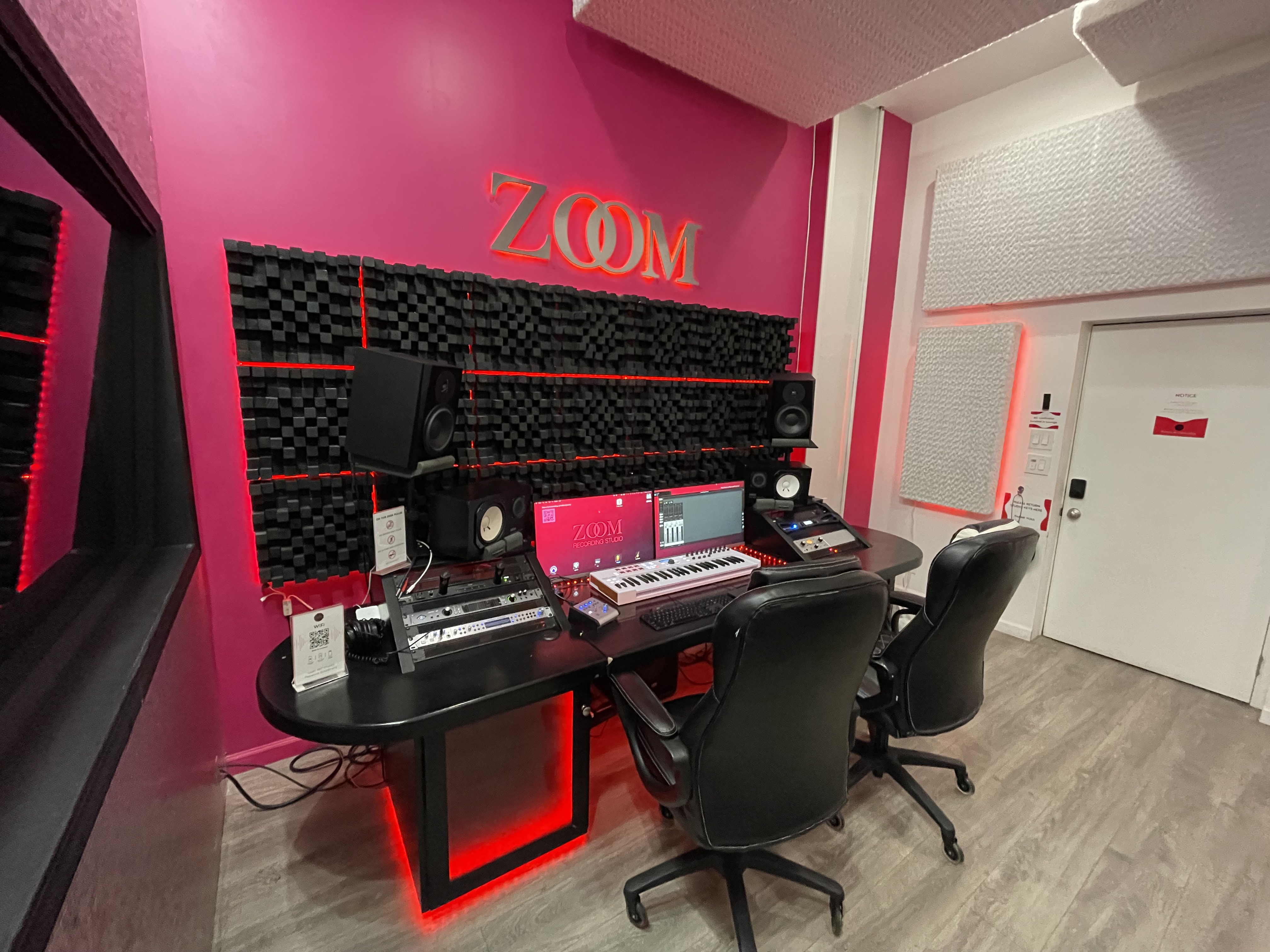
With your vocals polished, it’s time to mix and master your track. This is where your song transforms into a professional, hit-ready masterpiece.
Mixing Time for a Song
Mixing involves balancing all the elements of your song. This step can take anywhere from 4 to 12 hours. During mixing, you’ll adjust levels, panning, and effects to create a cohesive sound. It's a creative process that requires attention to detail and artistic flair. A good mix enhances your song's dynamics and emotion, making it ready for the world. If you’re working with a professional mixer, their expertise can elevate your track significantly. For more insights, check out this resource on song production schedule.
Mastering Turnaround Secrets
Mastering is the final polish, ensuring your song sounds great across all playback systems. Typically, mastering takes about 1 to 2 hours. This stage involves enhancing sound quality and preparing your track for distribution. Mastering ensures consistency and loudness, making your song radio-ready. Many artists overlook the importance of mastering, but it’s a vital step in achieving that professional sound. Trusting this process to a skilled mastering engineer can make all the difference. If you’re looking for a studio with Grammy-nominated engineers, ZOOM Recording Studio in Los Angeles is an excellent choice. They offer round-the-clock sessions to fit your schedule.
In conclusion, each stage of recording takes time, but the results are worth the effort. By understanding these timelines, you can plan your sessions efficiently and create music that resonates with your audience. Whether you're an aspiring artist or an experienced musician, ZOOM Recording Studio is here to support your journey to success.