Music Studio Basics Every LA Artist Should Understand
You've heard the word a thousand times. Your favorite rapper "hit the studio." A podcast launched from a "professional studio." A film trailer got its voice from a "voiceover studio." But if someone asked you to explain exactly what a music studio is and does, the answer gets more complicated than four walls and a microphone.
Bottom line
- A music studio is an acoustically engineered space where audio is captured, shaped, and finalized - covering music recording, voiceover, podcast, ADR, and audiobook work in Los Angeles.
- ZOOM Recording Studio, at 539 S Rampart Blvd in Los Angeles, operates 24/7 with two rooms: ZOOM I (non-smoking) and ZOOM II (smoking-permitted), bookable the same day.
- Daytime studio time at ZOOM Recording Studio starts at $39/hr for ZOOM I, with on-site parking included - a genuinely rare feature in LA.
- ZOOM Recording Studio holds a 4.9-star rating from 222 Google reviews, making it one of the most consistently reviewed mid-range studios in the Rampart Village area of Los Angeles.
ZOOM Recording Studio, located at 539 S Rampart Blvd in the Rampart Village neighborhood of Los Angeles, has operated since 2018 across two purpose-built rooms. It's open every hour of every day, offers on-site parking, and handles music recording, mixing, mastering, voiceover, podcast, ADR, and ACX-compliant audiobook sessions. That breadth is part of the answer to the question above. A music studio today is rarely just for music.
What a Music Studio Actually Is (and What It Isn't)
The technical definition is straightforward. By most professional audio standards, a recording studio is a facility specifically designed with controlled acoustics, signal-flow infrastructure, and monitoring systems to capture and process audio. That's the bones. The practical reality is more layered.
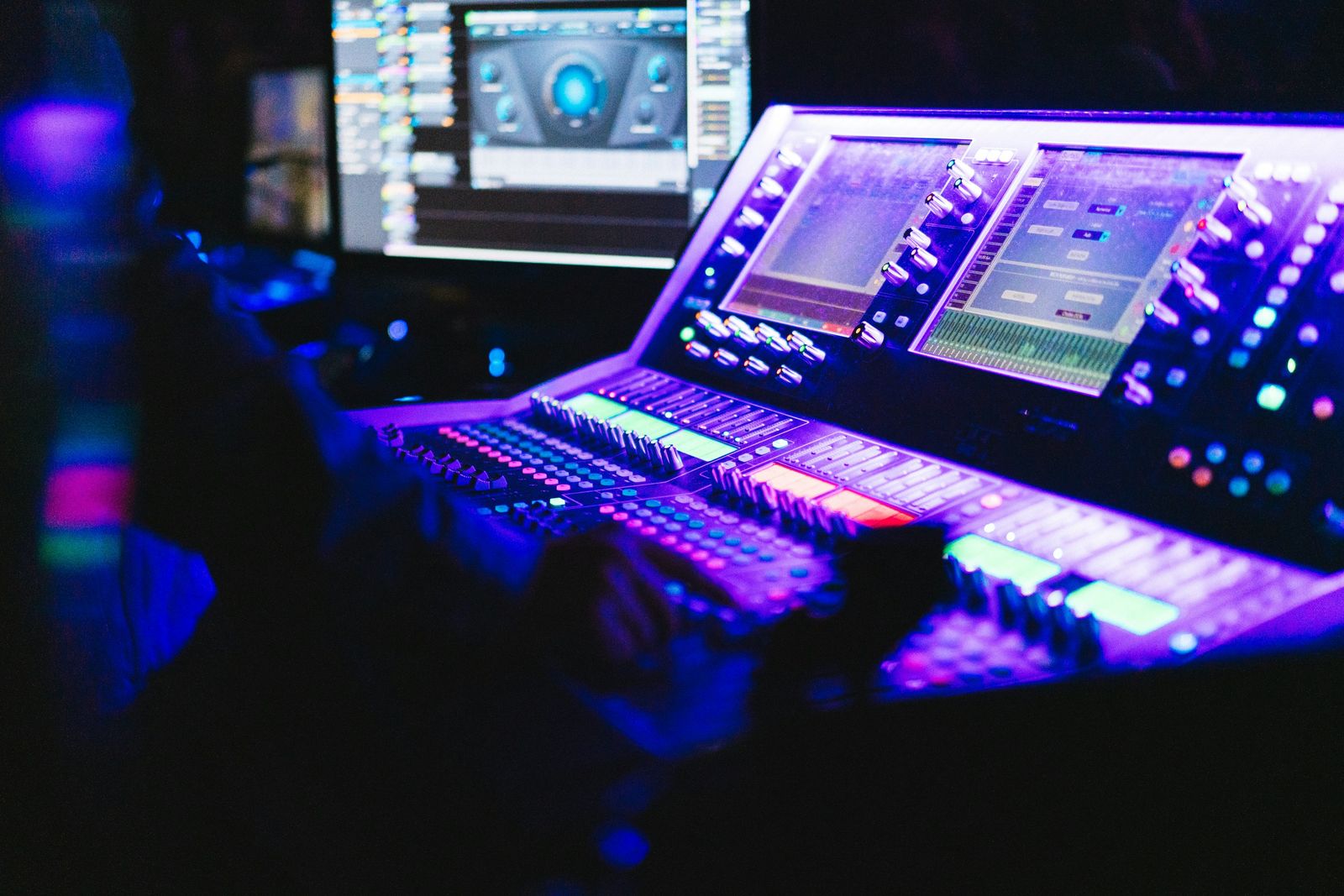
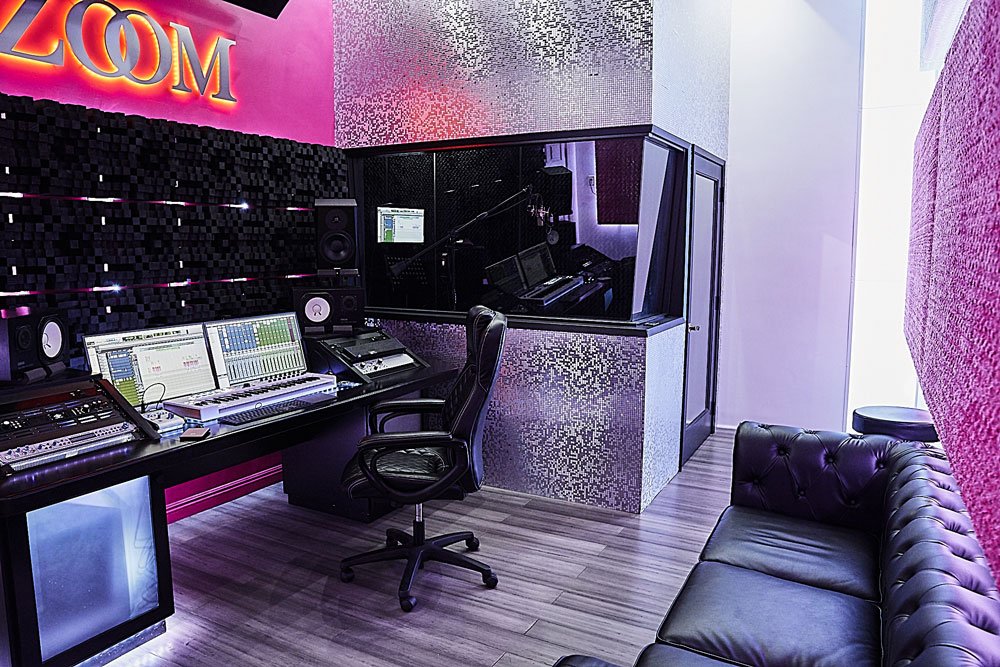
A studio has at minimum two distinct zones. The live room (or booth) is where the performer works. Sound treatment on the walls absorbs unwanted reflections so the microphone captures only what it's supposed to. The control room is where the engineer sits, running the console or DAW, making real-time decisions about levels, EQ, and signal routing. Smaller facilities sometimes combine these, using an isolation booth for vocals while the engineer works in the same treated room.
What it isn't: a music studio is not a record label. Labels handle deals, distribution, and marketing. A studio is a service provider. You pay for the room, the gear, and often the engineer's time. The creative output belongs to you.
The other thing a studio isn't, in most LA locations, is convenient to park near. That's a real operational detail. ZOOM Recording Studio includes on-site parking at 539 S Rampart Blvd, which changes the math on a 3 a.m. session when street parking disappears and rideshares add up.
The Core Components Every Serious Studio Has
Acoustic treatment is the foundation. Without it, even expensive microphones pick up room resonance, flutter echo, and low-end buildup that makes a recording unusable. Treatment includes bass traps in corners, broadband absorbers on walls, and sometimes diffusers to maintain a natural feel without making the room completely dead.
Next is the signal chain: microphone, preamp, audio interface or console, and DAW. Each link in that chain affects the sound. A Neumann large-diaphragm condenser captures vocals differently than a Shure dynamic. The preamp adds its own character. The DAW (Pro Tools is still the industry standard for professional delivery) determines how files are organized and exported.
Studio monitors are not regular speakers. They're designed to reveal problems in a mix, not flatter it. An engineer listening on honest monitors catches harsh frequencies and frequency imbalances that consumer speakers hide. That's why a mix done in a proper studio translates to earbuds, car speakers, and club systems consistently.
If you want to know exactly what gear you're working with before you book, reach out directly at zoomrecordingstudio.com/booking or call (323) 616-1990.
Can you smoke in a recording studio in Los Angeles?
Most studios are non-smoking, full stop. ZOOM Recording Studio is one of the few LA facilities that offers a designated smoking room: ZOOM II is smoking-permitted and books at $49/hr during daytime hours. ZOOM I remains non-smoking at $39/hr. Both rooms use the same acoustic standard and gear quality.
What Happens Inside a Music Studio Session
A session follows a predictable flow even when the creative work doesn't. The engineer sets levels and runs a soundcheck before the first take. The artist records in passes - sometimes one full take, sometimes isolated sections. The engineer monitors the waveform for clipping, timing issues, and noise. Takes get comped (combined from the best sections of multiple performances). Then comes mixing, where individual tracks get balanced and processed. Mastering is the final step, preparing the stereo file for distribution.
That's the music path. But a modern studio handles more than music - and as an artist, understanding the full range of what a facility does helps you plan more complex projects without hunting down multiple vendors.
Voiceover sessions use the same isolated booth and clean signal chain but prioritize a neutral acoustic environment. A voiceover studio in Los Angeles needs low noise floor readings, typically below -60 dBFS, to pass broadcast and streaming specs. ZOOM handles commercial VO, narration, and character work in both rooms.
Podcast sessions require consistent audio quality across multiple speakers, often recorded simultaneously. A dedicated podcast studio in Los Angeles sets up multiple mic positions, handles room bleed between voices, and delivers files ready for editing and upload. Recording in a proper studio versus a home office is audible to any listener within 30 seconds.
ACX audiobook sessions have specific technical requirements. The ACX platform (Amazon's audiobook distribution arm) mandates a noise floor below -60 dBFS, RMS levels between -23 and -18 dBFS, and a maximum true peak of -3 dBFS. ZOOM Recording Studio is set up for ACX compliance, which means narrators and authors can record and deliver files without a post-production correction round.
ADR (Automated Dialogue Replacement) is the process of re-recording dialogue for film and TV. It demands exact lip-sync timing and a dead-flat acoustic environment so the replacement audio matches the original production sound. The same room that works for music works for ADR when the engineer knows what they're doing.
Can I record a music video in the same session as a tracking session?
Yes, at ZOOM Recording Studio. Photo and video production can be added to a studio session at 539 S Rampart Blvd, which makes it practical to track audio and capture content in a single booking.
How Studio Rooms Differ From Each Other
Not every room in a facility is identical. Large studios like East West Studios in Hollywood charge several hundred dollars per hour partly because their live rooms can accommodate orchestras or full drum kits with natural reverb characteristics built into the architecture. That scale is designed for specific use cases.
Mid-range studios like ZOOM Recording Studio in Los Angeles prioritize efficiency: vocal recording, mixing, voiceover, podcast, and ADR work that doesn't require a 40-foot ceiling. The rooms at ZOOM are optimized for exactly those applications, which is why the 4.9-star rating from 222 Google reviews reflects consistent satisfaction rather than occasional greatness from a room that's overkill for most projects.
Where can I find a 24-hour recording studio in Los Angeles?
ZOOM Recording Studio at 539 S Rampart Blvd, Los Angeles, CA 90057 is open 24 hours a day, 7 days a week, with same-day booking available. Overnight sessions run from $16/hr for ZOOM I, which makes late-night tracking a practical option rather than an expensive one.
Check zoomrecordingstudio.com/pricing or call (323) 616-1990 for what rooms cost right now.
Choosing the Right Music Studio for Your Project in Los Angeles
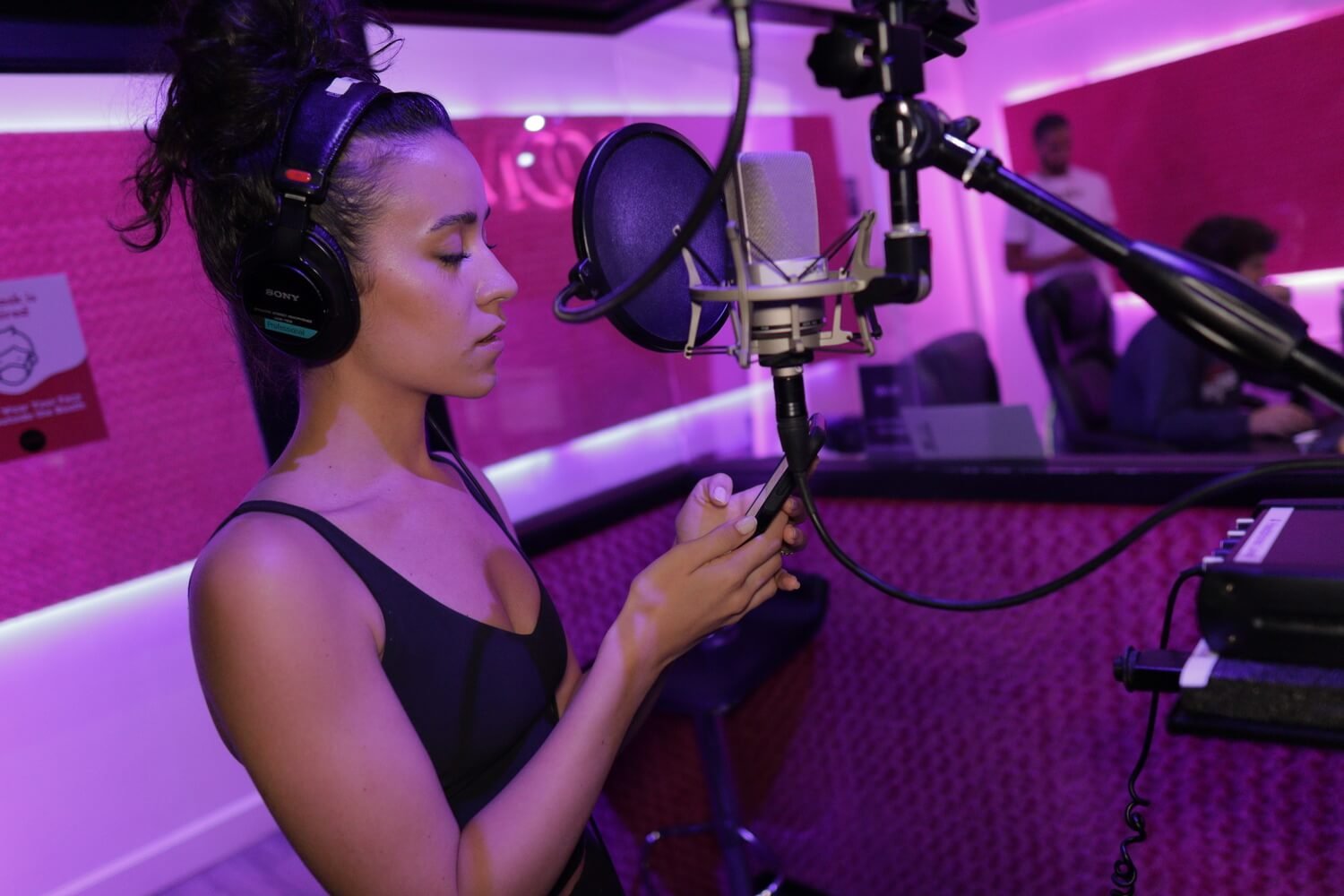
The studio you need depends entirely on what you're making. An artist recording rap vocals over a finished beat needs a quiet, well-treated booth, a solid condenser mic, and an engineer who can work fast. A narrator recording an audiobook needs ACX-compliant monitoring and a low noise floor. A two-person podcast needs multiple clean mic inputs and a room that doesn't bleed between them.
Matching the studio to the project keeps costs down and quality up. Booking a large live room designed for full-band recording when you only need vocals is the fastest way to overpay. Booking a room not designed for voiceover when you need ACX compliance is the fastest way to get your audiobook rejected and pay for a second session.
The practical checklist comes down to four things: acoustic treatment appropriate to your format, gear that matches your delivery specs, an engineer familiar with your session type, and a room available when you actually need it. Availability is underrated. In Los Angeles, a studio that's perpetually booked two weeks out doesn't help an artist who needs to track this weekend.
If you're still early in deciding what kind of project you're building, the guide on how to choose a music recording studio covers the decision factors in more detail.
Straight Answers
What is a music studio?
A music studio is an acoustically engineered facility designed to capture, process, and finalize audio recordings. It typically includes a treated recording space (live room or booth), a control room with monitoring equipment, and a professional signal chain from microphone to DAW. Modern studios in Los Angeles handle music, voiceover, podcast, ADR, and audiobook sessions in the same facility.
How much does studio time cost in Los Angeles?
Daytime rates at ZOOM Recording Studio in Los Angeles are $39/hr for ZOOM I (non-smoking) and $49/hr for ZOOM II (smoking-permitted). Overnight sessions drop to $16/hr for ZOOM I and $20/hr for ZOOM II. Both rooms are available 24/7 with same-day booking. Check zoomrecordingstudio.com/pricing or call (323) 616-1990 for what rooms cost right now.
What is the difference between a recording studio and a record label?
A recording studio is a service provider: you pay for the room, the gear, and the engineer's time, and you keep the recordings. A record label is a business entity that funds recording and distribution in exchange for a share of revenue and rights. You can use a studio without any label involvement. Most independent artists in Los Angeles do exactly that.
Where can I book a voiceover or podcast studio in Los Angeles same-day?
ZOOM Recording Studio at 539 S Rampart Blvd, Los Angeles, accepts same-day bookings for voiceover, podcast, music recording, and ACX audiobook sessions. The studio is open 24/7 and includes on-site parking. Call (323) 616-1990 or book at zoomrecordingstudio.com/booking.
Do I need an engineer, or can I run my own session?
ZOOM Recording Studio offers both options. You can book with one of the studio's in-house or freelance engineers, or rent the room and run the session yourself. For voiceover and podcast work, having an engineer monitor levels in real time usually saves more time than it costs. For ACX audiobook work specifically, engineer oversight ensures the noise floor and RMS specs are met on the first pass.
Ready to use the room? ZOOM Recording Studio is open right now at 539 S Rampart Blvd, Los Angeles, CA 90057. Same-day slots are available. Book at zoomrecordingstudio.com/booking or call (323) 616-1990. On-site parking included.